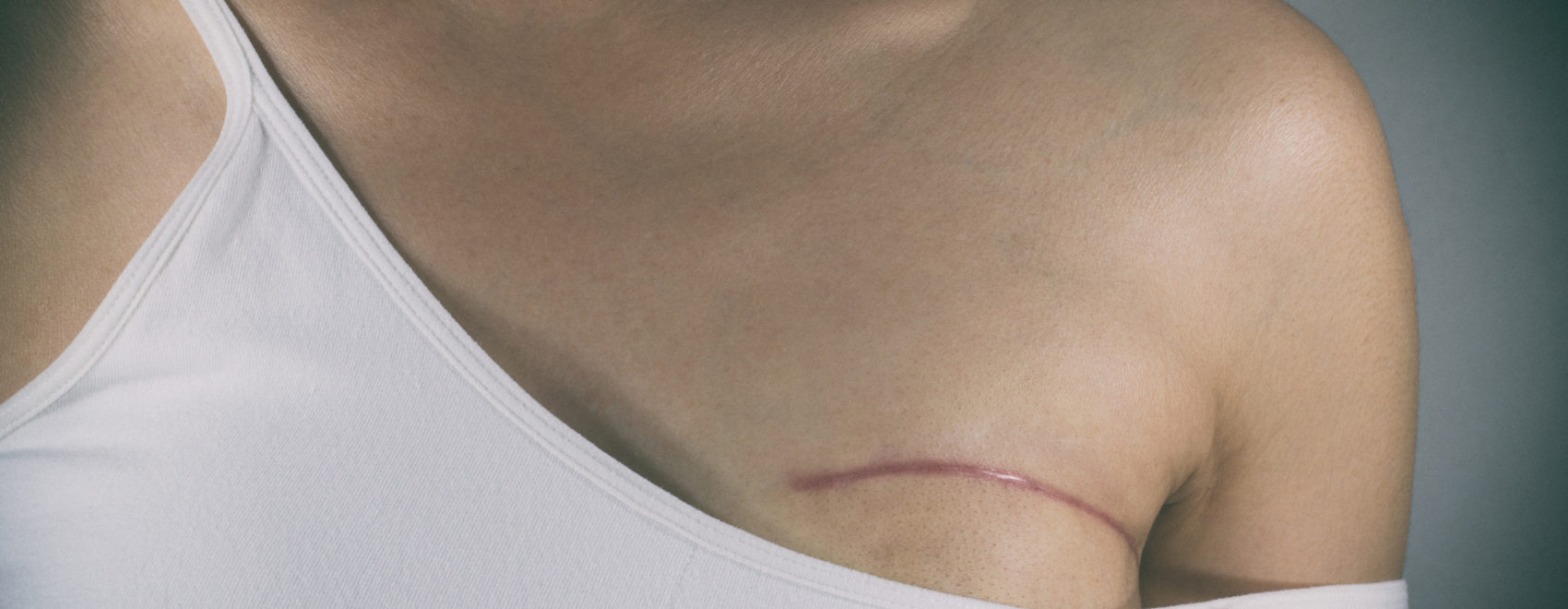
Most cases of breast cancer are treated in multiple ways, a combination of treatments that depend on what stage your cancer is in, what type of cancer you have (such as triple-negative), or current or previous health, such as pregnancy, age, family history, previous cancer, or BRCA gene mutation. Here’s a breakdown of the most common types of breast cancer treatments.

Breast Density & Benign Breast Disease Raise Risk of Breast Cancer
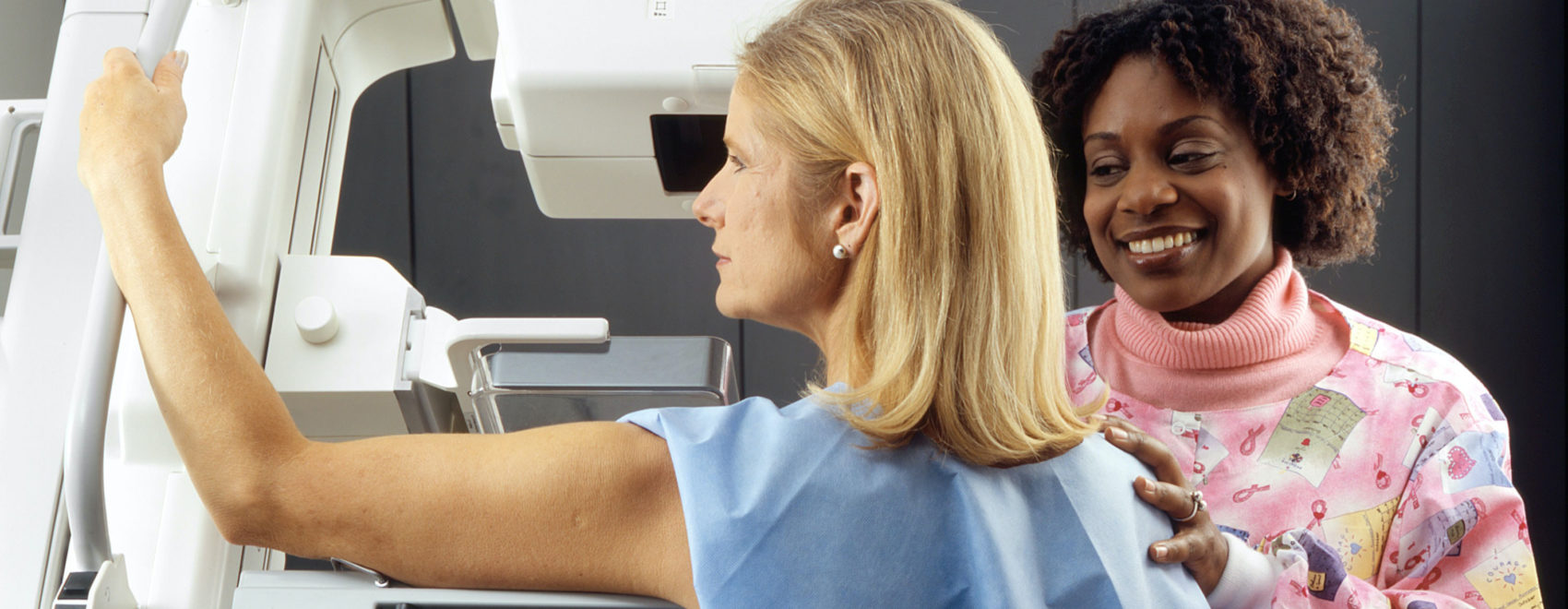
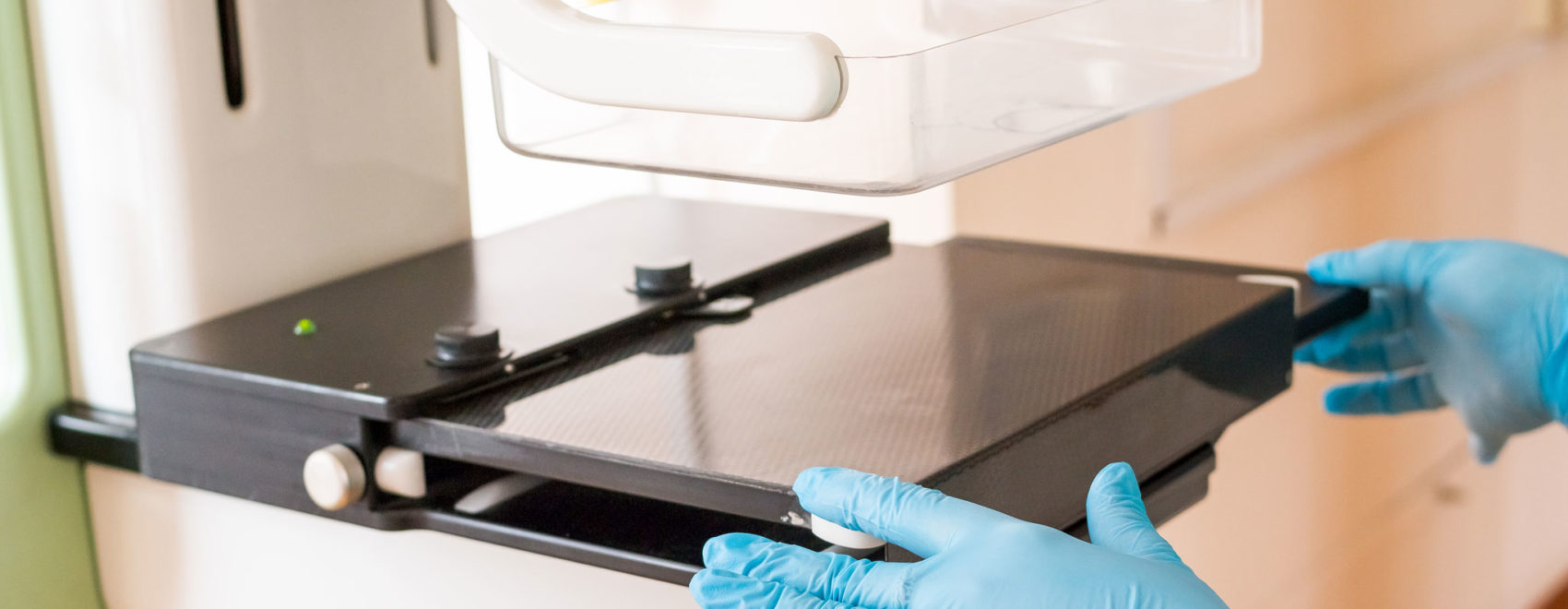
Women with dense breast tissue and benign breast disease face an elevated risk of future breast cancer and could benefit from a tailored mammogram screening strategy, according to a large study published in the journal in Radiology.
Hormone Therapy For Breast Cancer
Hormone therapy, also called endocrine therapy, is a common way to treat breast cancer, Most types of hormone therapy use medications to fight cancer cell growth by limiting estrogen in the body or by limiting its ability to attach to cancer cells.
What to Do When a Mammogram Shows Swollen Lymph Nodes in Women Just Vaccinated for COVID
Swelling of lymph nodes in the armpit area is a normal response to COVID-19 vaccinations, but when they are seen on mammograms, they can be mistaken for nodes that are swollen because of breast cancer.
‘Fast’ MRI Detects Breast Cancers That 3-D Mammograms May Miss
Study of Penn Medicine patients shows abbreviated MRI may be a valuable supplemental screening for women with dense breasts.
Breastfeeding & Cancer: 5 Things You Should Know
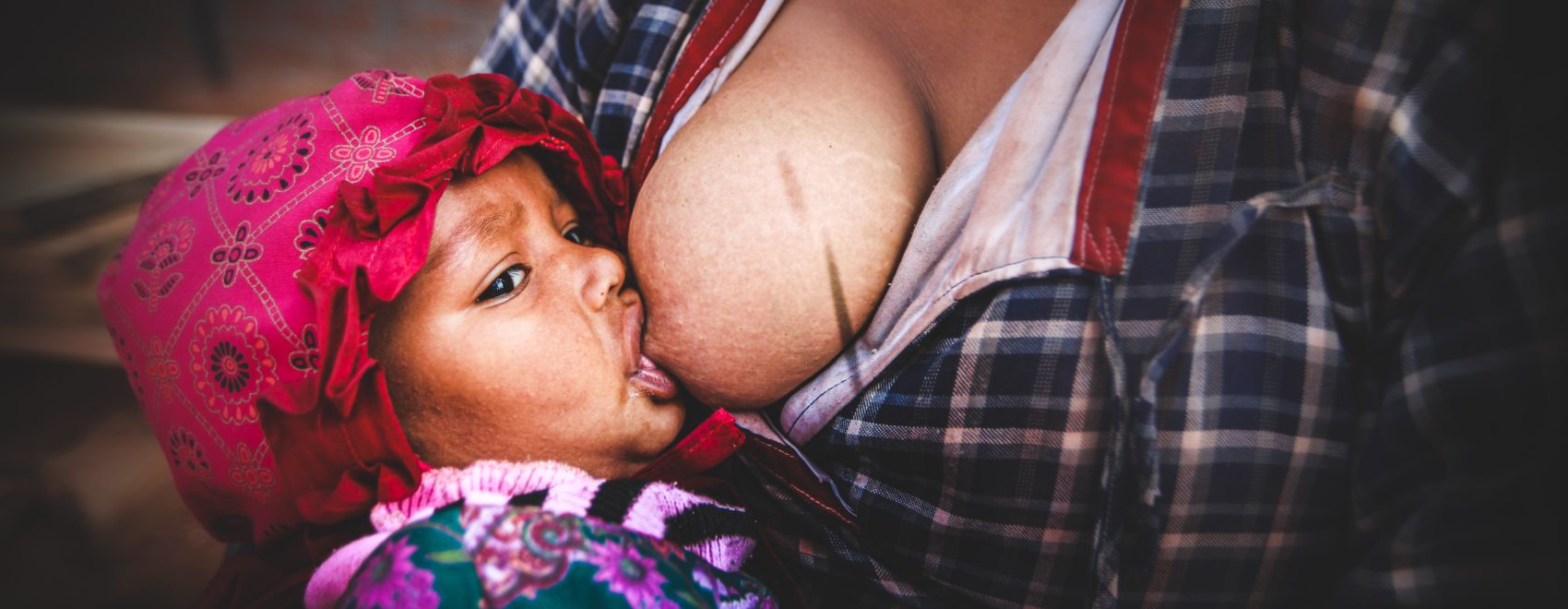
Not only does breastfeeding lower a mother’s risk of type 2 diabetes and high blood pressure, but it also reduces risk of breast cancer and ovarian cancer. But for breast cancer survivors, patients in treatment, or previvors on a high-risk early detection plan, breastfeeding is often a challenge. Here are 5 of the most important ways that breastfeeding impacts cancer diagnoses.
Family History & Breast Cancer: What You Need To Know
While we don’t know all the risk factors for breast cancer, we do know that having breast cancer in the family is one of the most significant risk factors, in addition to it being the most well-known. It’s common for people to hear about a diagnosis in their family and fear that they’ll get breast cancer, too. Here’s how family history affects (or doesn’t!) your personal risk levels and what you should do about it.
For Women with Dense Breasts, MRIs are Cost Effective for Detecting Breast Cancer
A new paper in the Journal of the National Cancer Institute, published by Oxford University Press, indicates that MRIs are cost effective for detecting breast cancer for women with very dense breasts detected by mammography.