
Noticing a new lump, unexplained pain, or changes in your body can feel unsettling. While many of these changes turn out to be harmless, some may be signs of something more serious: a rare form of cancer called sarcoma. Learning the clinical features of sarcoma can help you better understand what to watch for and when to seek medical advice.
Although sarcoma is rare—making up about 1% of adult cancers—it accounts for a much larger share of cancers in young people, representing about 21% of childhood cancers. Each year, an estimated 17,370 people in the U.S. are diagnosed, and about 7600 lives are lost to this disease.

What is Sarcoma Cancer?
Sarcoma isn’t just one condition. It’s a group of more than 70 cancer subtypes that fall into two main categories: soft tissue sarcoma and bone sarcoma. While they share similarities, they can show up in different ways and tend to affect people at different stages of life.
Soft Tissue Sarcoma
Soft tissue sarcoma develops in connective tissues such as muscles, fat, blood vessels, and nerves. These tumors are more common in adults and make up the majority of cases, with over 13,000 diagnoses each year in the U.S. The five-year survival rate ranges from about 81% when the cancer hasn’t spread to around 15% when it has spread to other parts of the body.
The most commonly diagnosed types of soft tissue sarcoma in adults include:
- Leiomyosarcoma, which develops in the muscles that line the body’s organs
- Liposarcoma, which starts in the body’s fat cells and is less likely to spread than other types
- Malignant peripheral nerve sheath sarcomas, which are tumors that form in tissues surrounding nerves
- Synovial sarcoma, which can start in any part of the body but most commonly appears near joints in the arms and legs
- Undifferentiated pleomorphic sarcoma, which is another type that can form anywhere in the body, but is more likely to metastasize
Bone Sarcoma
Bone sarcoma, on the other hand, starts in the bones. These types of cancers are more often seen in children, teens, and young adults, as well as adults over the age of 65. They are less common overall, with fewer than 4000 new cases in the United States each year. For osteosarcoma, the most common type of bone sarcoma, the five-year survival rate ranges from about 77% when it is localized to 26% when it has become metastatic.
Other common types of bone sarcomas include:
- Chondrosarcoma, which forms in the body’s cartilage and is often found in the pelvis, upper leg, and shoulder bones
- Ewing sarcoma, which can develop in any bone in the body, as well as certain soft tissues. It often occurs near the pelvis, thigh, lower leg, upper arm, and chest wall.
Early detection matters, no matter the type of sarcoma. About 55% of sarcomas are diagnosed before they spread, while about 16% are metastatic at diagnosis.
Where are Sarcomas Found?
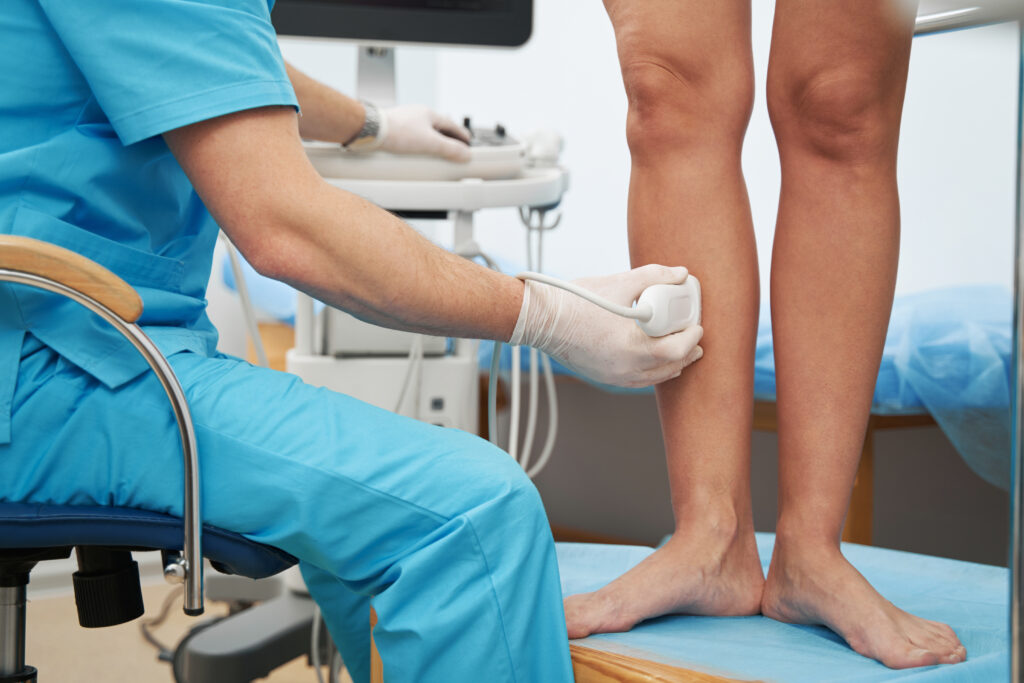
Sarcoma symptoms can vary depending on where the tumor forms in the body. In some cases, there may be no noticeable symptoms early on. For many people, sarcoma may appear as a painless lump under the skin. Because it doesn’t hurt right away, it’s easy to overlook.
Some sarcomas, especially those affecting bones, can cause ongoing pain or swelling, often in the arms or legs. This pain may worsen at night and gradually affect movement. The tumors can form almost anywhere in the body, but they are more commonly found in certain areas:
- 40% occur in the lower extremities (legs, ankles, and feet)
- 15% occur in the upper extremities (shoulders, arms, wrists, and hands)
- 30% occur in the trunk (chest wall, abdomen, or pelvis)
- 15% occur in the head and neck
Sarcoma Symptoms
Knowing where sarcomas tend to appear can help you stay more aware of changes in these areas. Common symptoms may include:
- A new lump or swelling, which may or may not be painful
- Pain in the arm, leg, abdomen, or pelvic area
- Difficulty moving a limb, such as stiffness, limping, or reduced range of motion
- Unexplained weight loss
- Persistent back pain
- Gastrointestinal issues
Many conditions can cause these kinds of symptoms, but if something feels new, unusual, or doesn’t go away, it’s always okay to check in with your doctor. You can also stay proactive about your health by signing up for our cancer screening reminders.
What Does a Sarcoma Lump Look Like?
It’s common to notice lumps or bumps on your body, and most are not serious. However, certain changes are worth paying closer attention to. A helpful way to remember warning signs is the acronym LUMPS:
- Larger than a golf ball (more than 4.25 cm)
- Under the skin or deep in the tissue
- More painful (or becoming painful)
- Progressively growing
- Should be evaluated by a provider
If sarcoma is suspected, diagnosis usually begins with a simple conversation and physical exam. Your healthcare provider will ask about the symptoms you’ve been experiencing and take a closer look at any areas of concern. From there, they may recommend imaging tests to better understand what’s happening inside the body. To confirm a diagnosis, a biopsy is needed. This involves taking a small tissue sample so your doctor can examine it more closely.
Get our “Thriver Thursdays” Email
Get all the latest cancer prevention and treatment news plus upcoming survivor programs, straight to your inbox every Thursday. Your privacy is important to us.
Are You A Queens Resident Diagnosed with a Sarcoma?
If you’ve been diagnosed with sarcoma, you don’t have to face it alone. SHAREing & CAREing offers a range of cancer support services to our neighbors in Queens and the broader New York City area. This includes individual support for those adjusting during or after treatment, as well as help finding free or low-cost treatment options and insurance navigation. To learn more about how we can help support survivors, thrivers, caregivers, and loved ones, contact us.
Sources
- 2025 Sarcoma Statistics, Sarcoma Foundation of America
- About Sarcoma, Fox Chase Cancer Center
- Adult Soft Tissue Sarcoma, Mays Cancer Center
- Sarcoma, Cleveland Clinic
- Sarcoma, Mayo Clinic
- Sarcoma Signs and Symptoms, Moffit Cancer Center
- Types of Bone Sarcoma, Perlmutter Cancer Center
